
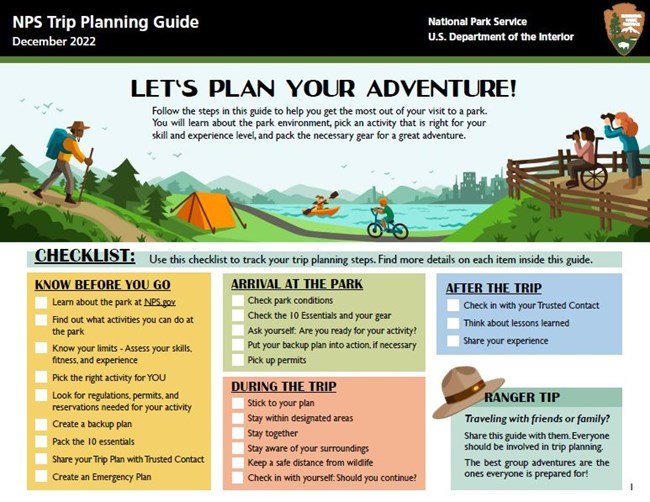
It is important to consider wildlife when planning an outdoor activity to ensure the preservation of ecosystems. By being mindful of the impact our actions can have on wildlife, we can protect their habitats and biodiversity. This thoughtful approach fosters a harmonious coexistence between nature and outdoor enthusiasts. Understanding ‘why is it important to consider wildlife when planning an outdoor activity?’ is key to promoting responsible and sustainable outdoor experiences.

Why is it important to consider wildlife when planning an outdoor activity?
When we head outdoors for a fun adventure, whether it’s a hike through the woods, a camping trip, or a day at the beach, we often get caught up in the excitement of the moment. We might be thinking about the beautiful views we’ll see, the tasty food we’ll eat, or the games we’ll play. But there’s something very important that we need to remember whenever we plan an outdoor activity: wildlife. Yes, animals, birds, insects, and all the creatures that call the outdoors their home. It’s crucial to consider them because they play a vital role in the ecosystem and deserve our respect and protection. Let’s explore why it’s so important to think about wildlife when we’re getting ready for our next outdoor adventure!
The Importance of Wildlife Conservation
Before we dive into why wildlife matters when planning outdoor activities, let’s talk a bit about why wildlife conservation is crucial. Wildlife refers to all living things that are not human and includes animals, birds, insects, fish, and plants. These creatures are an essential part of our environment and help maintain the balance of nature. When we think about conservation, we’re talking about protecting and preserving these living organisms and their habitats. Without proper conservation efforts, many species can become endangered or even extinct, which can disrupt the delicate harmony of nature.
Protecting Biodiversity
One of the main reasons why wildlife conservation is vital is to protect biodiversity. Biodiversity refers to the variety of life forms on Earth, including different species of plants, animals, and microorganisms. Each of these species plays a unique role in the ecosystem, and they all rely on each other for survival. When we consider wildlife in our outdoor activities, we’re helping to preserve biodiversity by ensuring that these creatures have a safe and healthy environment to thrive in.
Preserving Habitats
Another critical aspect of wildlife conservation is preserving habitats. A habitat is the natural environment where a particular species of plant or animal lives. Habitats provide food, shelter, and breeding grounds for wildlife, and when these habitats are destroyed or disrupted, it can have devastating effects on the species that depend on them. By being mindful of wildlife when planning outdoor activities, we can help minimize our impact on their habitats and ensure that these precious spaces are preserved for future generations.
How Outdoor Activities Can Affect Wildlife
Now that we understand the importance of wildlife conservation, let’s take a closer look at how our outdoor activities can impact wildlife. Whether we’re hiking, camping, fishing, or simply enjoying a picnic in the park, our actions can have both positive and negative effects on the creatures that share the outdoors with us. It’s essential to be aware of these impacts so that we can make responsible choices and ensure that we’re not harming the wildlife around us.
Disturbing Natural Habitats
One common way that outdoor activities can affect wildlife is by disturbing their natural habitats. When we trample through the woods, set up camp in a meadow, or build a fire on the beach, we can damage the homes of animals and plants. This disruption can force wildlife to flee, search for new homes, or even suffer injuries. By considering wildlife when planning our outdoor activities, we can choose locations and activities that are less likely to disturb natural habitats and minimize our impact on the environment.
Leaving Litter and Pollution
Another way that outdoor activities can harm wildlife is by leaving behind litter and pollution. Trash such as plastic bags, food wrappers, and bottles can be harmful to animals that may ingest or become entangled in them. Additionally, pollutants like chemicals from sunscreen, bug spray, or campfires can contaminate the soil, water, and air, posing a threat to wildlife and their habitats. By practicing Leave No Trace principles and cleaning up after ourselves, we can help protect wildlife from the dangers of litter and pollution.
How to Consider Wildlife in Your Outdoor Adventures
Now that we know why it’s important to think about wildlife when planning outdoor activities and understand how our actions can impact them, let’s explore some practical ways to consider wildlife in our adventures. By following these tips, we can enjoy the great outdoors while also being good stewards of the environment and the creatures that call it home.
Choose Wildlife-Friendly Activities
When planning your outdoor activities, opt for wildlife-friendly options that minimize your impact on the environment. Instead of off-trail hiking, stick to designated paths to avoid trampling delicate plants and habitats. Consider birdwatching or nature photography as quiet, non-intrusive ways to enjoy wildlife without causing disturbance. By selecting activities that are gentle on the environment, you can help protect wildlife and their habitats.
Respect Wildlife from Afar
One of the essential rules of wildlife conservation is to observe animals from a distance and avoid approaching or feeding them. Getting too close to wildlife can stress them out, disrupt their natural behaviors, and even put you in danger. Remember that we’re just visitors in their homes, and it’s crucial to respect their space and privacy. Use binoculars or a camera with a zoom lens to get a closer look at wildlife without intruding on their territory.
Dispose of Waste Properly
Proper waste disposal is key to protecting wildlife and their habitats. Always pack out what you pack in, whether you’re on a day hike, camping trip, or picnic. Bring along a trash bag to collect your garbage and recyclables, and make sure to dispose of them in designated bins or take them home with you. Avoid leaving any trace of your visit behind, so that wildlife can continue to thrive in a clean and healthy environment.
As we wrap up our exploration of why it’s important to consider wildlife when planning an outdoor activity, let’s reflect on the valuable lessons we’ve learned. Wildlife conservation is vital for preserving biodiversity, protecting habitats, and ensuring the well-being of all living creatures. By being mindful of wildlife in our outdoor adventures and making responsible choices, we can help safeguard the natural world for generations to come. So, the next time you’re gearing up for a hike, camping trip, or day at the beach, remember to take a moment to think about the wildlife that shares the great outdoors with us. Together, we can make a positive impact and create a brighter future for wildlife and our planet!
How Do I Protect My Camping Food From Animals? – Exploring Campgrounds
Frequently Asked Questions
Why should wildlife be considered when planning outdoor activities?
Considering wildlife when planning outdoor activities is crucial to protect the ecosystem and ensure the well-being of animal species. By being mindful of wildlife habitats and behaviors, we can minimize the impact of our activities on their natural environments.
How does considering wildlife benefit outdoor enthusiasts?
By factoring in wildlife when planning outdoor activities, enthusiasts can have a more fulfilling and authentic experience in nature. Observing wildlife in their natural habitats enhances the overall outdoor adventure and fosters a deeper connection with the environment.
What are the potential consequences of not taking wildlife into account during outdoor activity planning?
Failing to consider wildlife when planning outdoor activities can lead to disturbances in natural ecosystems, resulting in habitat destruction, displacement of animal populations, and disruption of ecological balance. This can have long-term detrimental effects on both wildlife and the environment.
Final Thoughts
It is crucial to consider wildlife when planning outdoor activities to protect ecosystems. Being mindful of animals’ habitats ensures their safety and well-being. By minimizing human impact, we help maintain biodiversity. Responsible outdoor planning preserves the natural balance, fostering a sustainable environment for both wildlife and people. Now, let’s always remember why it is important to consider wildlife when planning an outdoor activity.

