
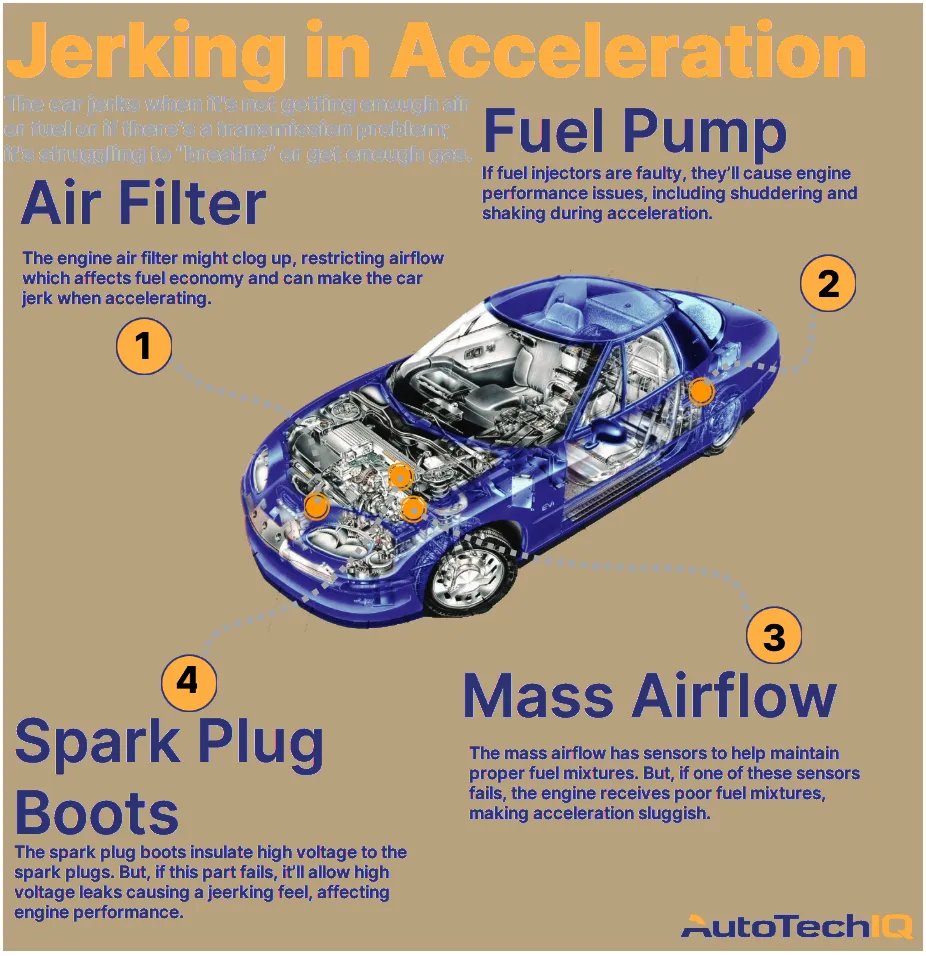
Experiencing a car that jerks when accelerating at low speeds automatic can be frustrating and concerning. This issue often stems from transmission-related problems, such as a faulty sensor or worn-out components. It’s crucial to address this issue promptly to prevent further damage to your vehicle. In this blog article, we will delve into common reasons why your car may exhibit this behavior and provide practical solutions to resolve the jerking motion. Stay tuned for expert advice on troubleshooting and fixing this common automotive concern.

Why Does Your Car Jerk When Accelerating at Low Speeds in Automatic Transmission?
If you’ve ever experienced your car jerking when you try to accelerate at low speeds in an automatic transmission vehicle, you’re not alone. This frustrating issue can be caused by various factors, but understanding the possible reasons behind it can help you address the problem effectively. In this comprehensive guide, we’ll delve into the common causes of why your car may jerk when accelerating at low speeds in an automatic transmission car.
1. Low Transmission Fluid Level
One of the most common reasons for your car jerking when accelerating at low speeds is a low transmission fluid level. Transmission fluid is crucial for the smooth operation of your vehicle’s transmission system. When the fluid level is low, it can lead to improper lubrication, causing the transmission to struggle when shifting gears, especially at lower speeds.
To check your transmission fluid level, locate the transmission dipstick in your engine bay. Ensure that the fluid is at the appropriate level as indicated on the dipstick. If it is low, add the recommended type of transmission fluid to bring it to the correct level. Regularly checking and maintaining the transmission fluid can help prevent jerking and other transmission issues.
2. Worn Out Transmission Components
Another common cause of jerking during acceleration at low speeds is worn-out transmission components. Over time, the various parts of the transmission system, such as the clutch plates, torque converter, or solenoids, can wear out due to normal wear and tear. When these components are worn, they may not function properly, leading to jerking or hesitation when accelerating.
If you suspect that worn-out transmission components are causing the jerking issue in your car, it is essential to have a professional mechanic inspect the transmission system. They can identify the specific components that require replacement or repair to restore smooth acceleration.
3. Faulty Transmission Solenoid
A faulty transmission solenoid can also be a culprit behind jerking when accelerating at low speeds in an automatic transmission car. The transmission solenoid is responsible for controlling the flow of transmission fluid within the system. If the solenoid is malfunctioning or failing, it can disrupt the fluid flow, leading to erratic gear shifts and jerking motions during acceleration.
Diagnosing a faulty transmission solenoid requires specialized equipment and expertise. A qualified mechanic can conduct diagnostic tests to pinpoint the exact issue with the solenoid and recommend the necessary repairs or replacements.
4. Clogged Fuel Injectors
Clogged fuel injectors can contribute to jerking when accelerating at low speeds in an automatic transmission vehicle. Fuel injectors play a crucial role in delivering the right amount of fuel to the engine for combustion. When these injectors become clogged with dirt, debris, or carbon buildup, they may not spray fuel evenly, leading to engine misfires and jerking when accelerating.
Regularly cleaning or servicing the fuel injectors can help prevent clogging and ensure smooth acceleration. Using fuel injector cleaners or seeking professional cleaning services can help maintain the efficiency of the fuel delivery system and reduce the likelihood of jerking issues.
5. Incorrect Tire Pressure
Believe it or not, incorrect tire pressure can also be a factor in your car jerking when accelerating at low speeds. When your car’s tires are underinflated or overinflated, it can affect the vehicle’s traction and stability during acceleration. This can result in the car jerking or vibrating as you try to pick up speed.
Check your tires regularly to ensure they are inflated to the recommended pressure levels specified in your vehicle’s owner’s manual or on the sidewall of the tires. Proper tire maintenance not only improves fuel efficiency and tire longevity but also contributes to a smoother driving experience with fewer jerking issues.
Experiencing your car jerking when accelerating at low speeds in an automatic transmission car can be frustrating, but understanding the potential causes behind this issue is the first step towards finding a solution. By addressing common culprits such as low transmission fluid, worn-out components, faulty solenoids, clogged fuel injectors, and incorrect tire pressure, you can take proactive steps to resolve the jerking problem and enjoy a smoother driving experience.
Remember, regular maintenance and timely repairs are essential for keeping your automatic transmission system in top condition and minimizing jerking or hesitation issues. If the problem persists or if you are uncertain about the cause of the jerking, don’t hesitate to consult a qualified mechanic for a thorough inspection and diagnosis. With proper care and attention, you can get back to enjoying smooth and seamless acceleration in your automatic transmission car.
8 REASONS WHY YOUR CAR JERKS WHILE ACCELERATING & HOW TO FIX IT
Frequently Asked Questions
What are common reasons for a car to jerk when accelerating at low speeds in automatic transmission vehicles?
One common reason for a car to jerk when accelerating at low speeds in automatic transmission vehicles is a problem with the transmission fluid. Low or dirty transmission fluid can result in inconsistent gear shifting, leading to jerking motions while accelerating.
How does a faulty transmission mount contribute to a car jerking during acceleration at low speeds?
A faulty transmission mount can cause excess movement of the transmission system, leading to jerking when accelerating at low speeds. This issue often manifests as a sudden jolt or vibration, as the mount fails to stabilize the transmission components effectively.
Can a clogged fuel filter be a potential cause of a car jerking during acceleration in automatic cars?
Yes, a clogged fuel filter can indeed cause a car to jerk when accelerating at low speeds. A restricted fuel flow can result in insufficient fuel reaching the engine during acceleration, leading to intermittent jerking or hesitation while driving.
Final Thoughts
If your car jerks when accelerating at low speeds automatic, it could be due to issues with the transmission or engine. Regular maintenance and timely repairs can prevent jerking and ensure smoother driving. Don’t ignore these signs as they could lead to more significant problems down the road. Experienced mechanics can diagnose the issue and recommend necessary repairs to fix the problem efficiently. Remember, addressing the jerking issue promptly can prolong the lifespan of your vehicle.

